


From dazzling summer festivals and record-breaking fireworks to vibrant autumn foliage and world-class culinary experiences, Japan is preparing for one of its most spectacular travel seasons of the year.
As summer gives way to autumn, Japan is preparing to enter one of its most vibrant and rewarding travel seasons. From August through November, the country comes alive with world-famous festivals, spectacular fireworks, breathtaking autumn foliage, and seasonal culinary experiences that attract travelers from around the world.
For visitors planning an Asian getaway in the coming months, the timing could hardly be better. While spring’s cherry blossom season often dominates international attention, many seasoned travelers consider late summer and autumn to be Japan’s most immersive time to explore. Ancient traditions unfold alongside modern city life, temperatures become more comfortable, and luxury hotels, ryokans, and restaurants unveil some of their finest seasonal offerings.
One of the first highlights is the Aomori Nebuta Festival, taking place in early August. Recognized as one of Japan’s most spectacular cultural celebrations, the festival features enormous illuminated floats depicting legendary warriors, mythical creatures, and historical figures. As night falls, the glowing masterpieces parade through the streets accompanied by energetic dancers, musicians, and thousands of spectators, creating an atmosphere unlike any other in the country.
Just days later, the city of Sendai hosts the Tanabata Festival, where shopping streets are transformed into colorful canopies of elaborate handmade streamers. Based on the centuries-old legend of two celestial lovers separated by the Milky Way, the festival combines traditional craftsmanship, local food, cultural performances, and fireworks into one of Japan’s most picturesque summer celebrations.
Mid-August also marks Obon, one of Japan’s most significant cultural holidays. Families gather to honor their ancestors while temples, parks, and town squares host lantern ceremonies and Bon Odori dances. Across many regions, softly illuminated lanterns floating along rivers and lakes create scenes of quiet beauty that offer visitors a meaningful glimpse into Japanese traditions beyond the typical tourist experience.
For travelers seeking lively entertainment, Tokushima’s Awa Odori Festival remains one of the country’s largest and most joyful dance celebrations. Dating back more than 400 years, the festival welcomes visitors to join thousands of performers dancing through the streets to the sounds of shamisen, taiko drums, and bamboo flutes. Unlike many cultural events where audiences simply observe, participation is encouraged, making it one of Japan’s most interactive festivals.
As September arrives, Japan begins transitioning from the heat of summer into milder weather, opening the door to both cultural events and contemporary entertainment. Tokyo’s festival calendar includes internationally renowned music events, rooftop gatherings, and vibrant nightlife, while destinations across the country continue hosting traditional celebrations and some of Japan’s largest fireworks displays.
The famous Katakai Fireworks Festival in Niigata is among the season’s most impressive spectacles. Known for launching some of the largest fireworks shells ever produced, the event delivers enormous bursts of color that fill the night sky, attracting photography enthusiasts and festival-goers alike.
By October, Japan’s famous autumn foliage season begins spreading across the country. Mountain landscapes gradually transform into brilliant shades of crimson, orange, and gold, drawing travelers to iconic destinations such as Kyoto, Nikko, Hakone, and the Japanese Alps.
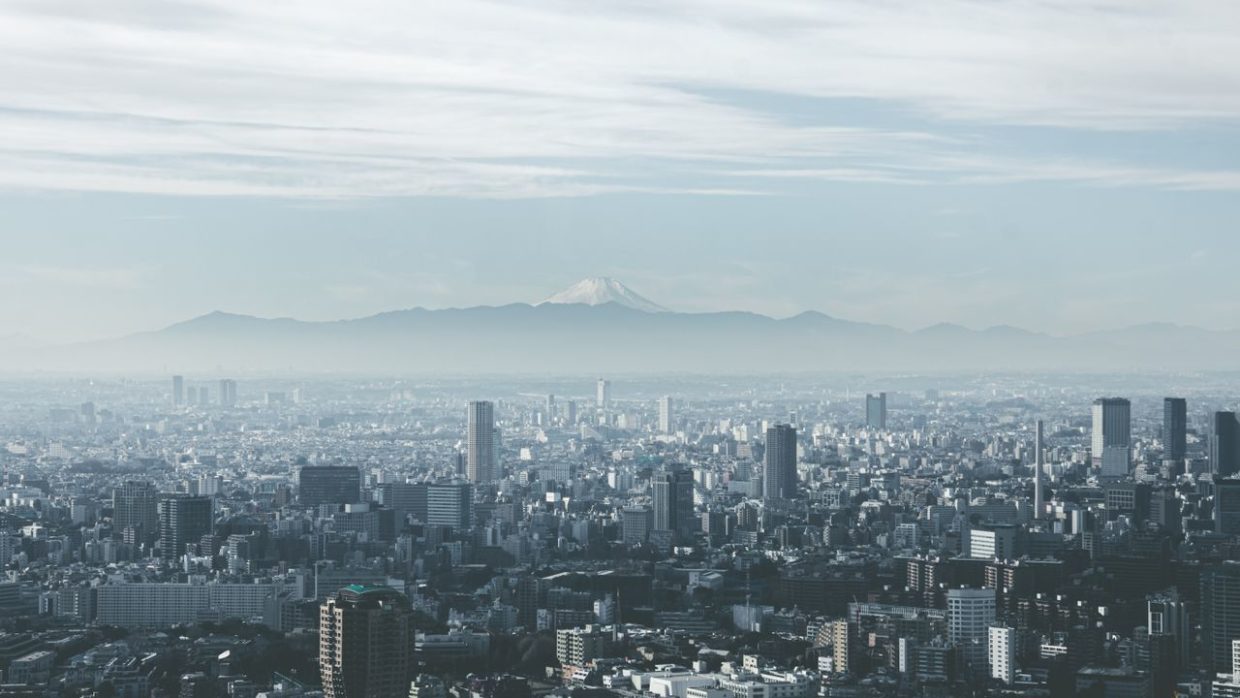
Historic temples in Kyoto become particularly enchanting as maple leaves frame centuries-old architecture, while Hakone offers visitors the opportunity to combine panoramic views of Mount Fuji with luxury ryokan stays and private hot spring baths overlooking colorful forests.
One of autumn’s cultural highlights is the Takayama Autumn Festival, widely regarded as one of Japan’s three most beautiful festivals. Exquisitely crafted wooden floats, traditional puppet performances, and lantern-lit evening processions celebrate centuries of craftsmanship in one of the country’s best-preserved historic towns.
For many travelers, however, November is the true pinnacle of the Japanese travel calendar.
With comfortable temperatures, clear skies, and peak autumn colours blanketing much of central Japan, the month offers exceptional opportunities for sightseeing, hiking, photography, and luxury escapes. It is also one of Japan’s most celebrated culinary seasons, when restaurants showcase premium ingredients including matsutake mushrooms, snow crab, chestnuts, and seasonal seafood through refined kaiseki dining experiences.
Luxury ryokans become especially desirable during this period, allowing guests to unwind in private outdoor onsens surrounded by vibrant maple trees while enjoying personalized hospitality and multi-course seasonal cuisine.
Beyond its festivals and landscapes, Japan’s late summer and autumn calendar also offers travelers countless opportunities to explore hidden cafés, boutique hotels, historic neighbourhoods, contemporary art galleries, scenic rail journeys, and mountain retreats. Combined with comfortable weather and fewer crowds than the peak spring season, many travel experts consider this period one of the country’s best-kept secrets.
As international demand for Japan continues to grow, travelers planning a visit in the coming months will discover a destination that seamlessly blends timeless traditions with contemporary luxury. From illuminated festival nights and centuries-old cultural celebrations to fiery autumn landscapes and world-class hospitality, Japan is once again set to deliver one of Asia’s most compelling travel seasons.