
Hanoi’s luxury hospitality market is entering a new chapter. After years of steady expansion, the Vietnamese capital is now attracting a new wave of internationally branded hotels, reinforcing its position as one of Southeast Asia’s most compelling destinations for both leisure and business travel.
Over the next few years, travelers can expect a noticeably richer luxury accommodation landscape as renowned global hotel operators continue to expand their presence across the city. The momentum reflects more than just growing visitor numbers – it signals increasing confidence in Hanoi as a mature luxury travel destination.
A new era for luxury hospitality
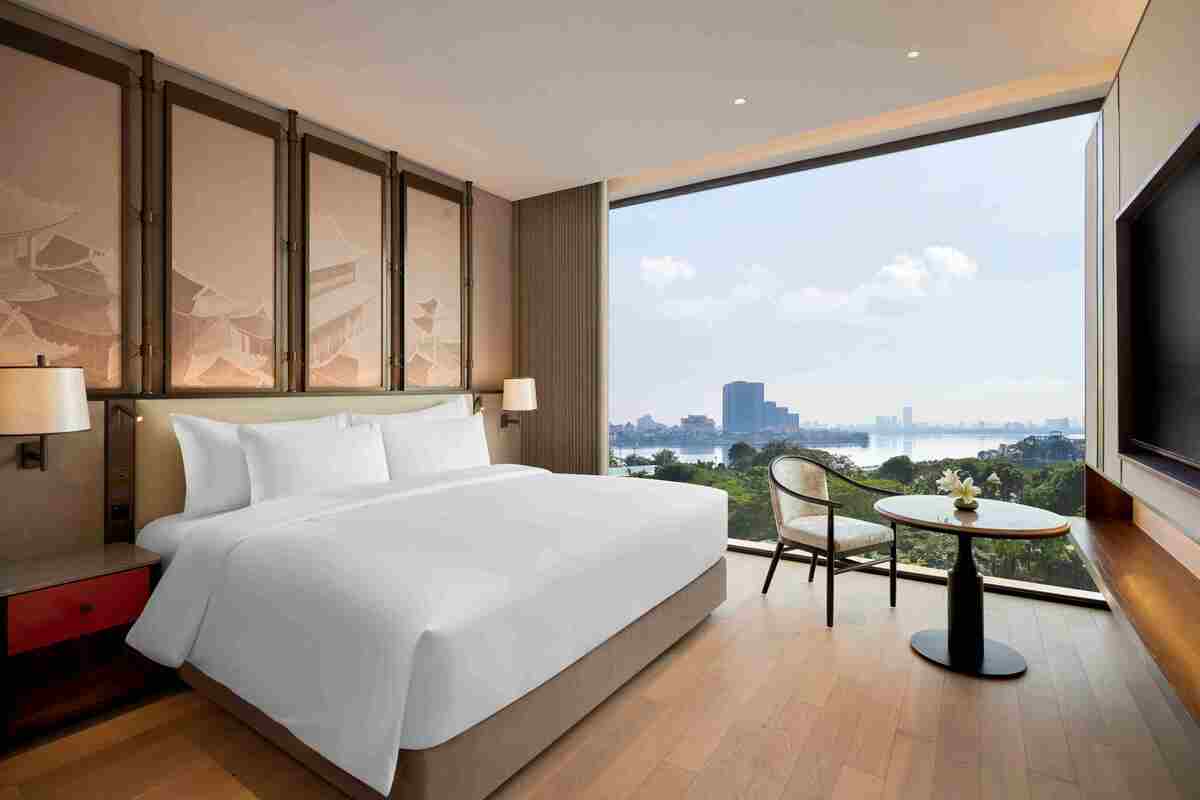
Recent openings have already begun reshaping the city’s hotel scene. Properties such as Dusit Le Palais Tu Hoa Hanoi have introduced fresh luxury experiences, while boutique lifestyle concepts continue to emerge throughout Hanoi’s historic districts. Looking ahead, additional internationally managed hotels are expected to debut, bringing hundreds of new upscale guestrooms to the market.
One of the most anticipated arrivals is Wink Hanoi Westlake, which will further strengthen the lifestyle hospitality segment while expanding the footprint of Hyatt’s growing portfolio in Vietnam following the integration of the Wink brand into the Unscripted by Hyatt collection.
Industry analysts expect nearly 1,300 additional internationally branded hotel rooms to enter Hanoi’s market over the coming period, with even larger supply growth forecast through the end of the decade.
Demand continues to support premium growth
The expansion comes at a time when Hanoi’s tourism fundamentals remain strong.
International arrivals continue to recover, Vietnam’s increasingly traveler-friendly visa policies are encouraging longer stays, and the city’s reputation as both a cultural destination and regional business hub continues to grow. Luxury hotels are benefiting from a healthy mix of corporate travelers, conference delegates, diplomatic visitors, and affluent leisure guests exploring northern Vietnam.
The meetings, incentives, conferences and exhibitions (MICE) segment is also becoming an increasingly important driver of demand, encouraging developers to build hotels with larger event facilities and premium meeting spaces alongside luxury accommodation.
With average occupancy remaining robust across upscale hotels, developers appear confident that new supply can be absorbed without significantly weakening market performance.
International brands raise the bar
For travelers, the arrival of more global hotel operators means greater choice, stronger loyalty program benefits, and increasingly consistent service standards.
For Vietnam’s hospitality industry, however, the implications are even broader.
International brands bring sophisticated revenue management systems, global distribution networks, extensive marketing capabilities, and access to millions of loyal travelers worldwide. Their presence also encourages local hotel owners to invest more heavily in design, guest experiences, sustainability initiatives, wellness offerings, and personalized service.
Rather than replacing independent hotels, many industry observers believe the market is moving toward partnerships, rebranding opportunities, and management agreements that allow existing properties to compete more effectively on an international stage.
Challenges remain
Despite the optimistic outlook, Hanoi’s hospitality sector is not without obstacles.
Infrastructure improvements outside the city center continue to be important as visitor numbers increase. Better regional transportation will help disperse tourism beyond traditional districts while improving overall visitor experiences.
Developers also continue to face higher financing costs and operational expenses, making new luxury hotel projects increasingly capital intensive. While Vietnam’s evolving regulatory framework has improved investment confidence, translating new policies into on-the-ground development still requires time and careful execution.
Another long-term consideration is balancing rapid hotel expansion with sustainable demand growth, particularly given the industry’s continued exposure to international travel trends and global economic conditions.
The Luxora verdict
Hanoi has quietly evolved into one of Asia’s most exciting luxury hotel markets. Unlike destinations where growth has slowed, Vietnam’s capital still offers room for meaningful expansion, allowing international brands to introduce distinctive concepts rather than simply competing on room count alone.
For luxury travelers, the timing couldn’t be better. More internationally recognized brands mean greater choice, improved service standards, and an increasingly sophisticated hospitality scene that complements Hanoi’s timeless blend of heritage, cuisine, and culture.
As new openings continue over the next several years, Hanoi is set to strengthen its reputation, not only as Vietnam’s political and cultural heart, but also as one of Southeast Asia’s rising capitals of luxury hospitality.