
There are destinations that impress you. Then there are places that fundamentally change how you see the world. Ha Giang not only changes how you see the world, but it lets you feel it.
Perched on Vietnam’s northern frontier along the Chinese border, Ha Giang has long ranked among the country’s least economically developed provinces. Home to rugged mountains, remote villages and more than twenty ethnic minority communities, it is a place where modern development has arrived slowly, and in many ways, that is precisely why it has become one of Asia’s most extraordinary travel destinations.
Unlike the polished beaches of Da Nang, the luxury resorts of Phu Quoc or the bustling streets of Hanoi, Ha Giang offers something increasingly rare: raw authenticity. Here, the scenery has not been designed for tourism. Nature remains overwhelmingly in charge.
The result is arguably Vietnam’s most spectacular landscape.
The first thing visitors notice is scale.
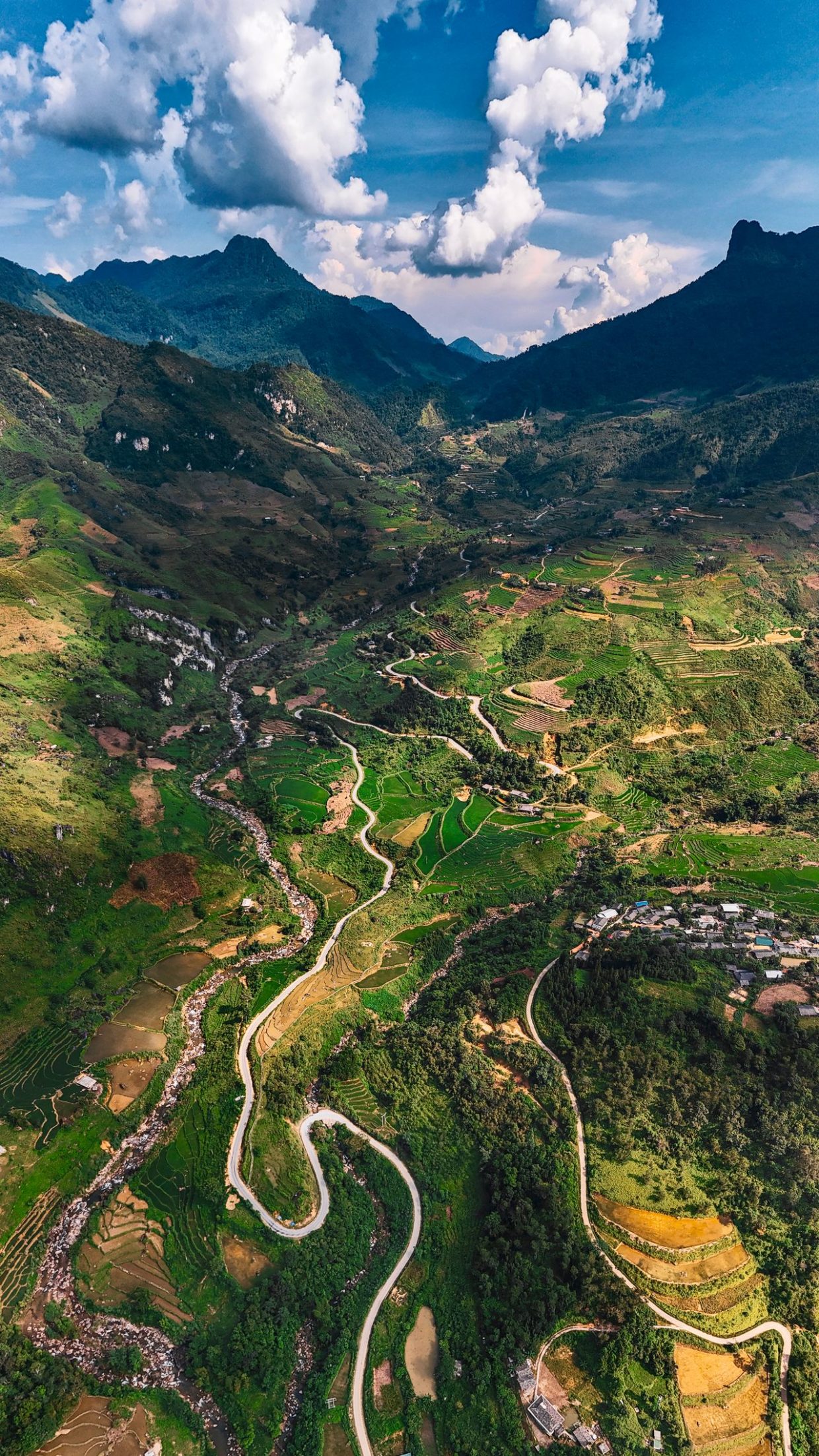
Roads snake across razor-sharp limestone mountains that appear to stretch endlessly into the horizon. Clouds drift below mountain summits. Deep emerald rivers cut through immense canyons, while tiny villages cling impossibly to cliffs that have stood for hundreds of millions of years.
At the heart of the province lies the Dong Van Karst Plateau, recognised as a UNESCO Global Geopark. Covering more than 2,300 square kilometres, the plateau preserves geological formations dating back over 550 million years, making it one of Southeast Asia’s oldest and most scientifically significant landscapes. Fossils from multiple geological eras have been discovered here, while nearly sixty percent of the region consists of dramatic limestone formations sculpted over hundreds of millions of years.
Yet geology tells only half the story.
Driving through Ha Giang often feels like crossing several countries in a single day.
One moment you are winding through towering limestone pinnacles resembling China’s Guilin. The next, vast rice terraces cascade down mountain slopes reminiscent of the Philippines’ Banaue Rice Terraces. A few kilometres later, dense pine forests give way to high alpine valleys where clouds roll silently across open grasslands.
This diversity makes Ha Giang arguably Vietnam’s greatest destination for landscape photography.
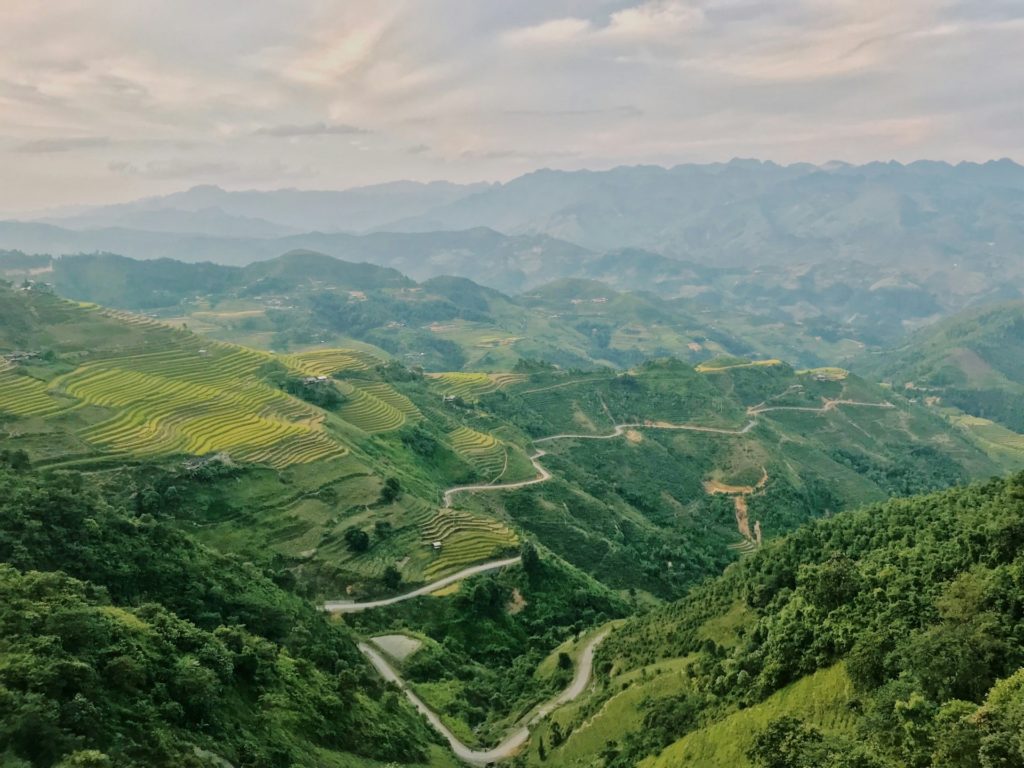
Light changes by the minute.
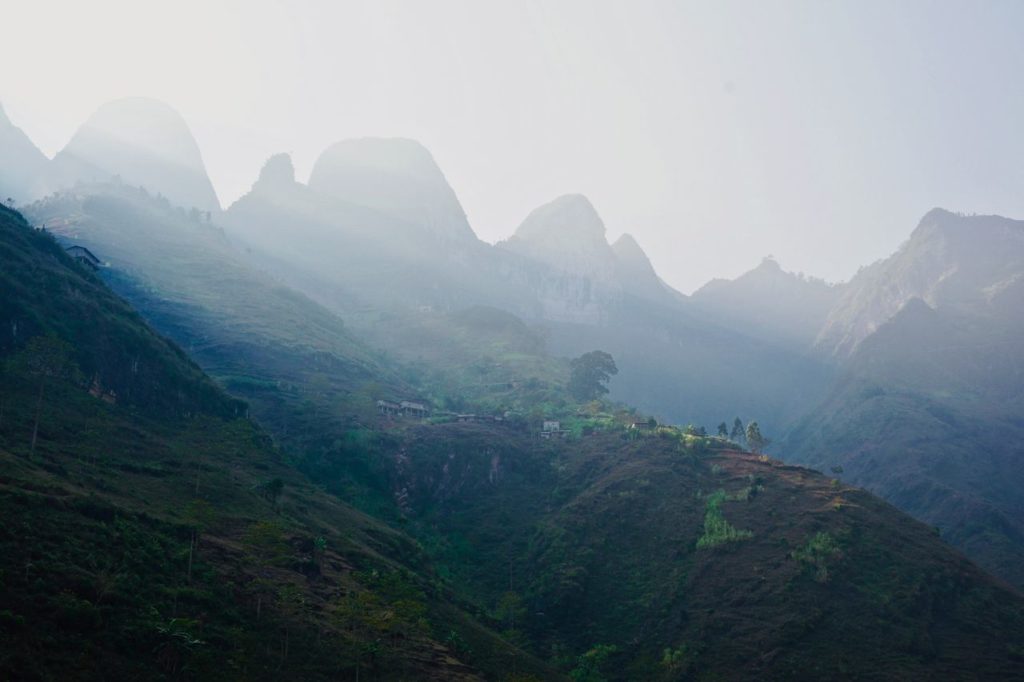
Early mornings frequently begin with entire valleys submerged beneath seas of cloud. As sunrise breaks through the mist, golden rays illuminate mountain ridges one after another, creating layers that seem almost unreal. By late afternoon, the low sun casts dramatic shadows across the jagged karst peaks, adding depth and texture that photographers spend hours waiting to capture.
Then comes blue hour, when the mountains fade into endless silhouettes beneath a sky painted with indigo and crimson.
Professional photographers often speak of “golden destinations” where every corner produces another memorable image. Ha Giang is one of those rare places.
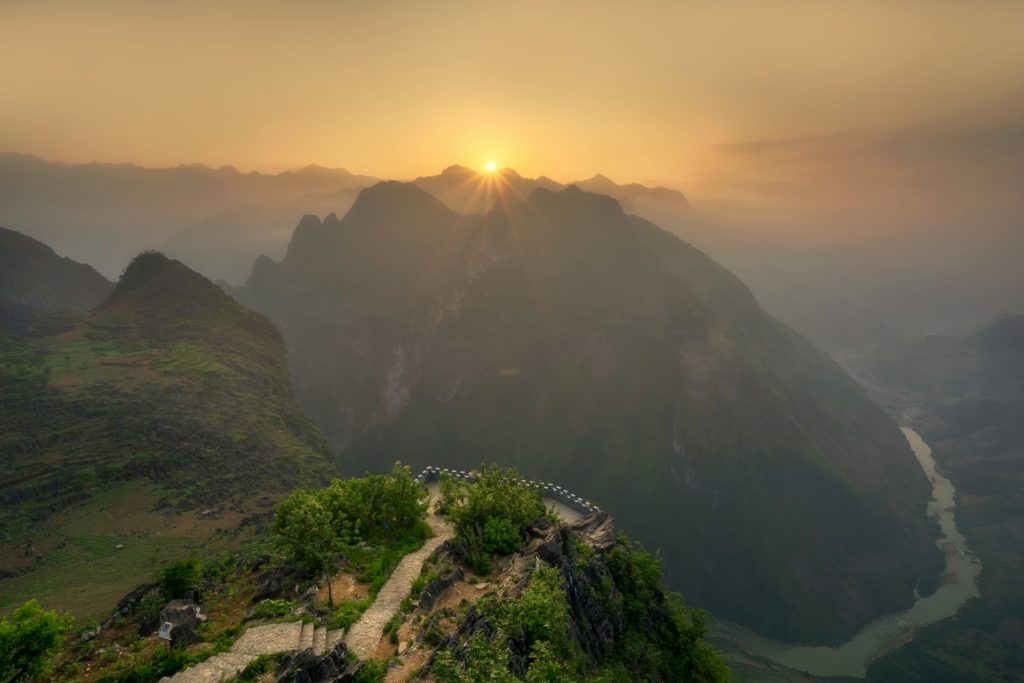
Perhaps nowhere demonstrates this better than Ma Pi Leng Pass.
Frequently ranked among Vietnam’s Four Great Mountain Passes, Ma Pi Leng rises approximately 1,200 metres above sea level along the legendary Happiness Road. The twenty-kilometre stretch connects Dong Van and Meo Vac while overlooking the jade-green Nho Que River far below. The road hugs sheer limestone cliffs before opening onto viewpoints that reveal the spectacular Tu San Canyon, regarded as the deepest canyon in Southeast Asia.
Photographs rarely prepare travellers for the experience.
Standing at one of the viewpoints, the mountains appear to fold endlessly into one another while the river twists silently hundreds of metres below. It is a landscape that feels untouched by time.
Equally remarkable is the human story.
The Happiness Road was constructed between 1959 and 1965 by thousands of volunteers from numerous ethnic communities, many using little more than hand tools to carve roads directly into vertical cliffs. The Ma Pi Leng section alone reportedly required eleven months of work under extraordinarily difficult conditions, becoming one of Vietnam’s greatest engineering achievements.
Ha Giang’s beauty is not limited to its mountains.
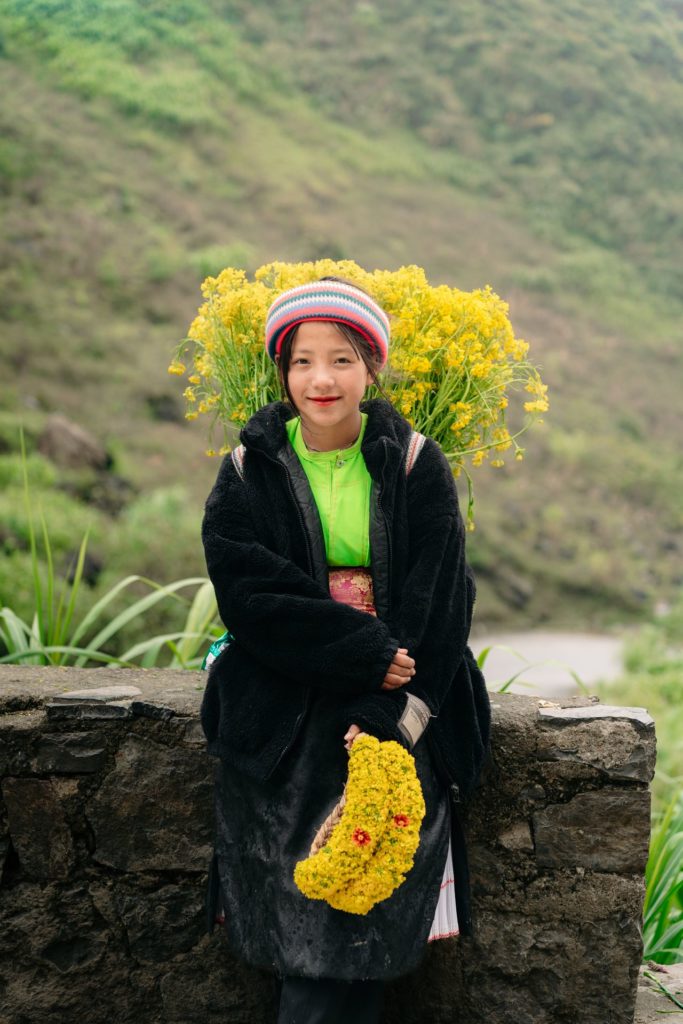
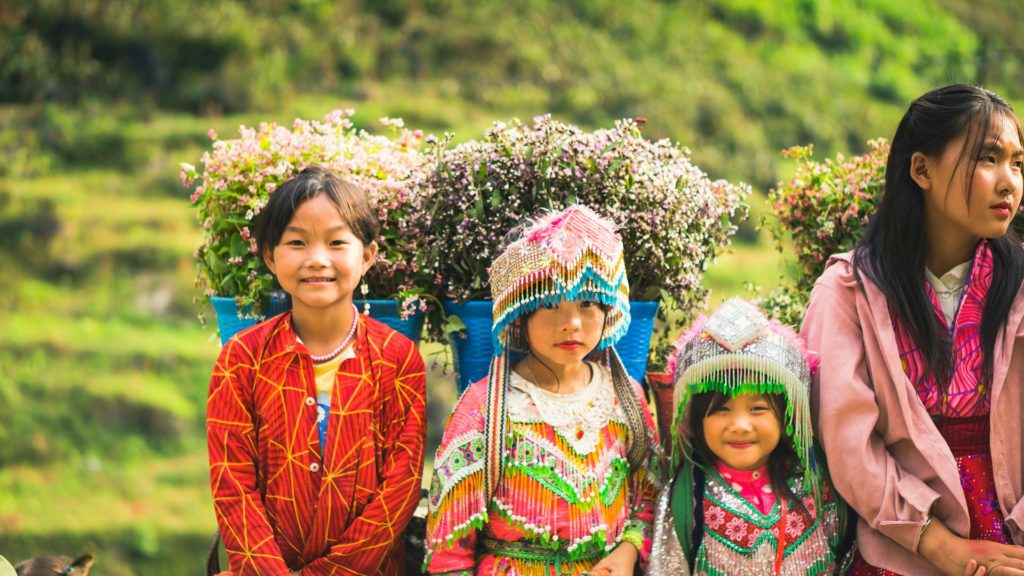
The province is home to more than twenty ethnic minority groups including the Hmong, Dao, Tay, Lo Lo and Nung, each preserving distinctive languages, clothing, architecture and cultural traditions. Weekly markets remain genuine centres of local trade rather than performances staged for tourists. Families travel for hours on motorbikes or horseback carrying livestock, textiles, herbs and handmade goods, creating vibrant scenes filled with colour and life.
Seasonality transforms the landscape throughout the year.
September and October paint the famous Hoang Su Phi rice terraces brilliant shades of gold before harvest.
October and November bring the delicate pink and white buckwheat flowers that blanket hillsides across Dong Van.
January and February replace them with blooming peach and plum blossoms, adding bursts of soft colour against grey limestone mountains.
Even winter has its charm, with mist rolling through valleys to create dreamlike scenes that photographers eagerly anticipate.
Wildlife lovers will also find unexpected treasures.
The Dong Van Karst Plateau is one of the last remaining habitats of the critically endangered Tonkin snub-nosed monkey, one of the world’s rarest primates. UNESCO estimates that only around 200 individuals survive within the geopark, making Ha Giang one of the few places on Earth where this remarkable species still exists.
Despite its growing international reputation, Ha Giang still feels refreshingly disconnected from mass tourism.
There are luxury hotels elsewhere in Vietnam, but few places where silence dominates the landscape. Mobile reception disappears in parts of the mountains. Villages remain lit by simple homes rather than towering resorts. Nights are filled with stars instead of city lights.
Many travellers describe completing the famous Ha Giang Loop not simply as a road trip but as a reset.
The route, approximately 350 kilometres long, winds through mountain passes, remote villages, deep valleys and UNESCO-protected landscapes over three to four unforgettable days. It has become one of Southeast Asia’s iconic overland adventures, whether explored by motorbike, private car or with an experienced local driver.
Perhaps that is Ha Giang’s greatest luxury.
Not expensive hotels.
Not Michelin-starred restaurants.
Not exclusive beach clubs.
Its luxury lies in space, silence and perspective.
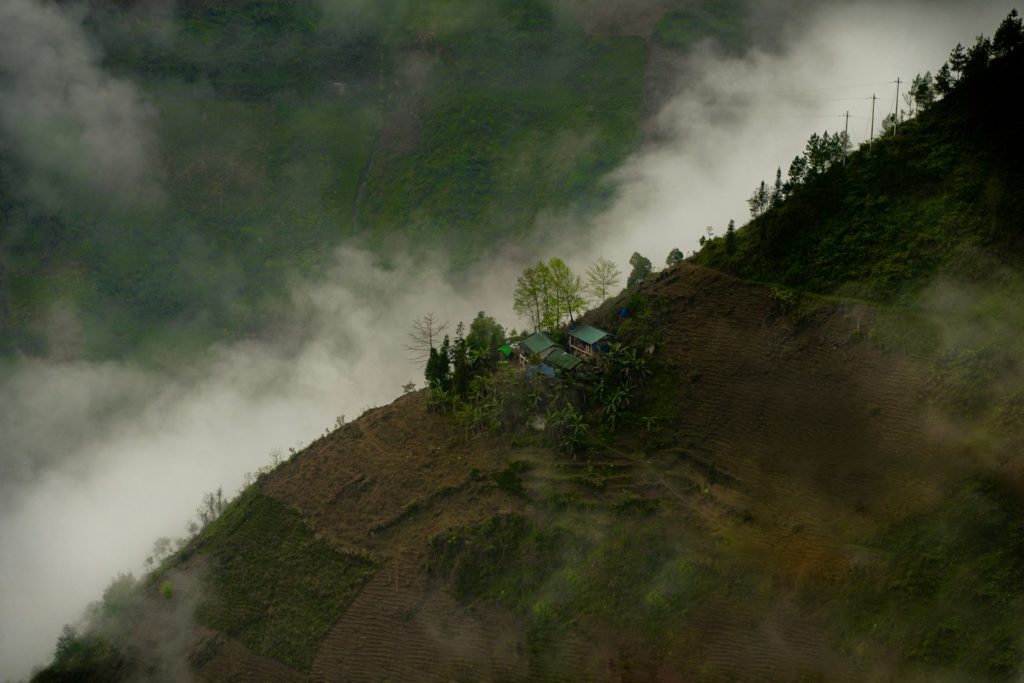
In a world increasingly defined by overtourism and carefully curated attractions, Ha Giang reminds travellers what exploration once felt like. Every bend reveals another impossible panorama. Every village tells another story. Every sunrise feels earned.
It is an extraordinary paradox that one of Vietnam’s poorest provinces has preserved one of its richest natural inheritances.
For travellers seeking spectacular scenery, world-class photography and a destination that genuinely refreshes the soul, nowhere in Vietnam comes close.
Sometimes, the greatest treasures are found in the places that have the least.